
Role
Game design, Curriculum, Programming, & Playtesting
Released
2020
Engine
Clickteam Fusion 2.5
Company
Arcade Our Way, Temple University
Play/Download
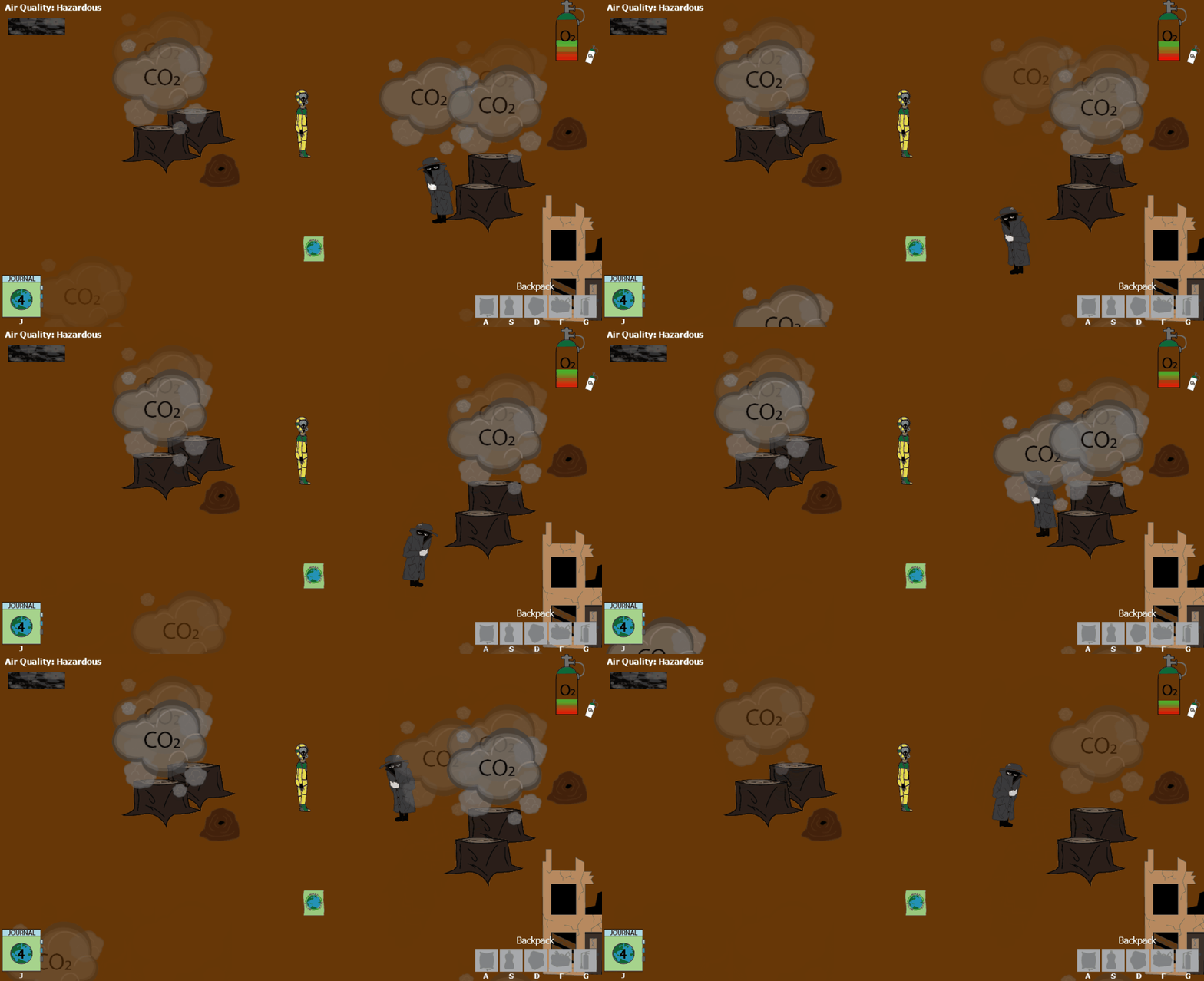
Employing a co-design methodology, myself and Dr. Renee Jackson collaborated with students from AMY NW Middle School to design and develop a game for change about the climate crisis as part of a research project. The kids selected the topic, participating in an inclusive after-school STEM games club sponsored by the nonprofit organization Arcade Our Way, whose mission is to promote game design as an expressive medium for those who are often left out of game spaces.


My personal design goals were:
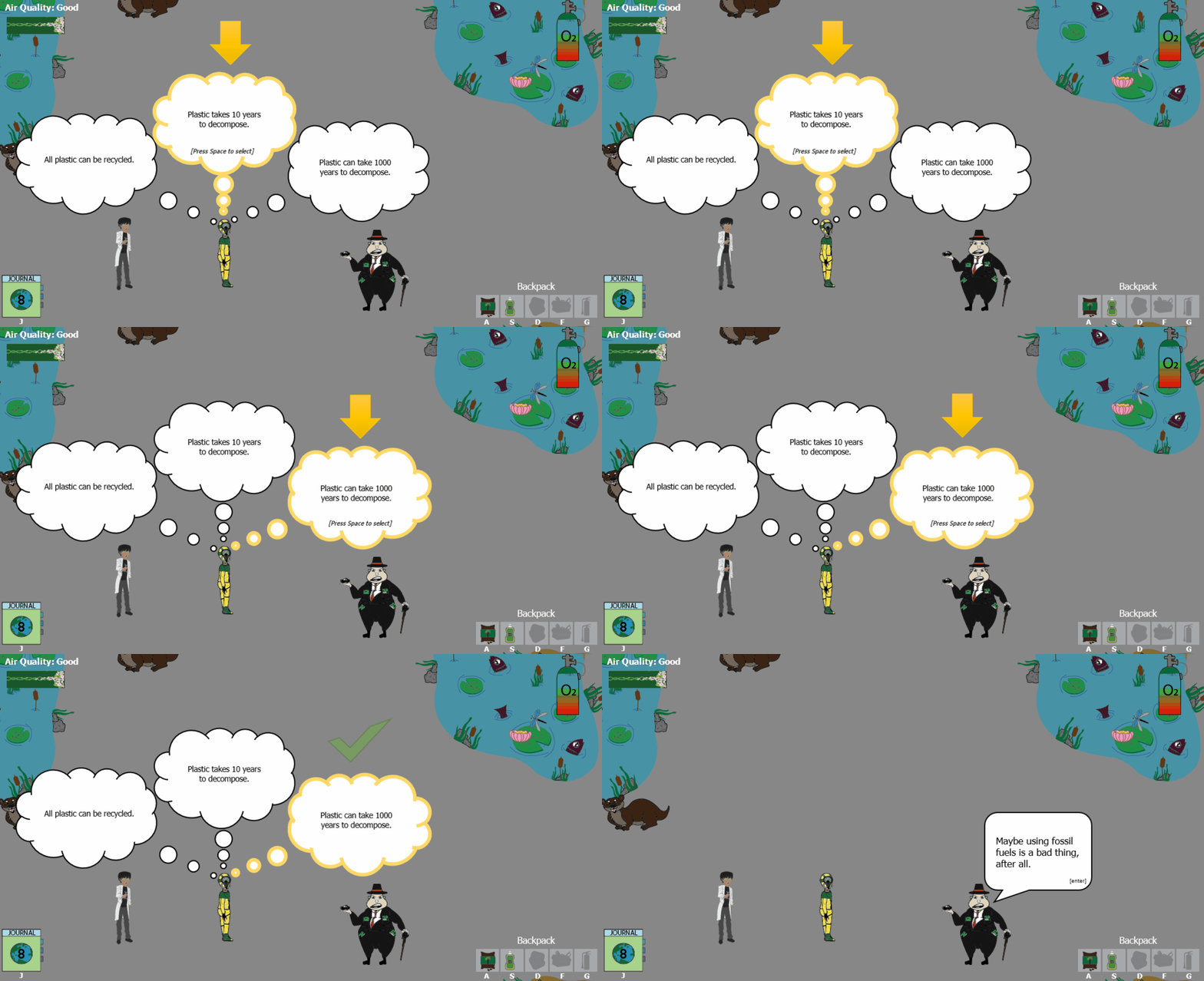
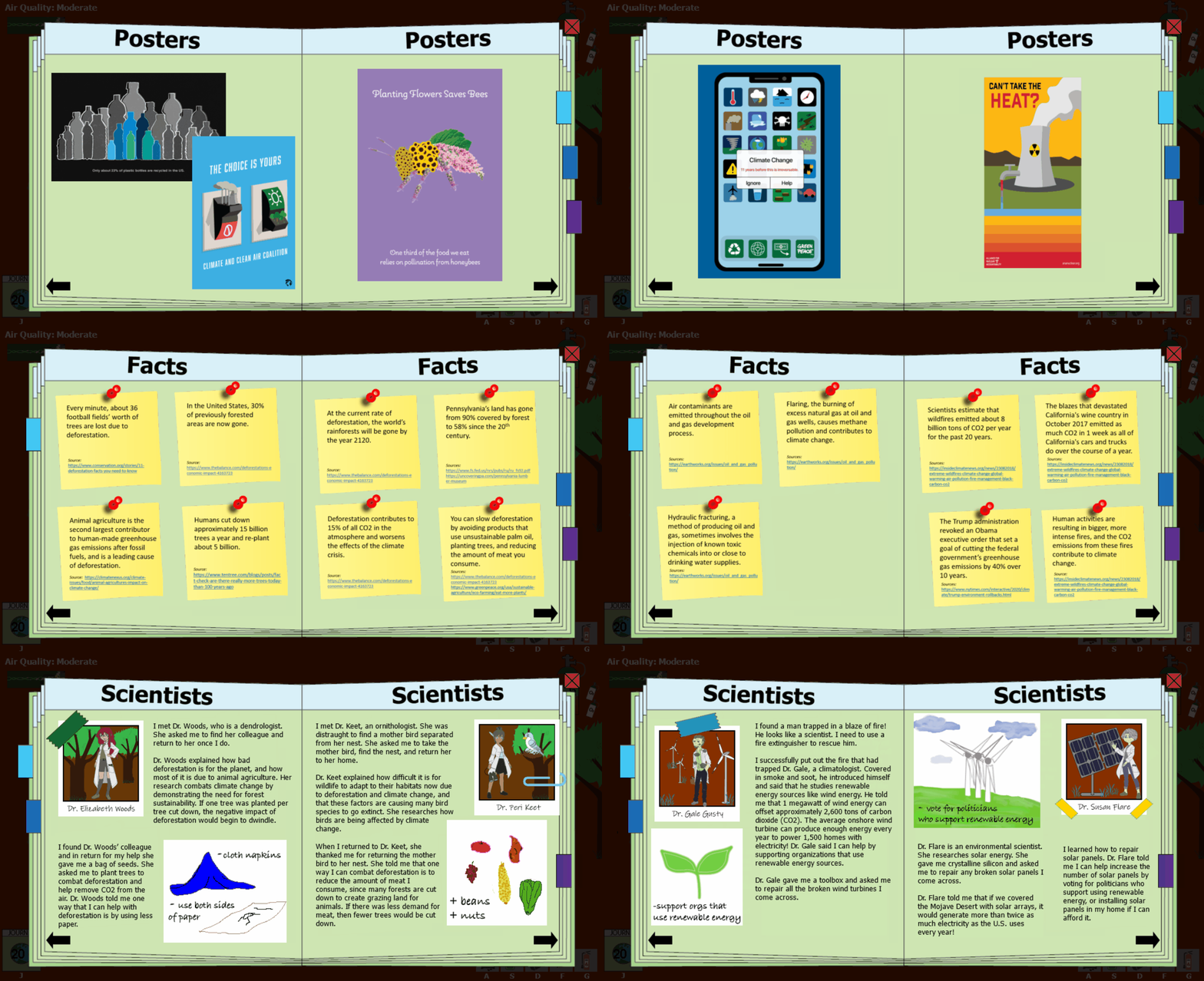
- Create non-violent gameplay. The player fulfills the game’s win condition by collecting knowledge about the climate crisis, planting trees and saving animals, and defeats bosses (like oil executives) by having conversations about what they’ve learned.
- Serve as facilitator & expert, not designer. Adopting a co-design methodology meant stepping back from the role of creator and instead using my skills to uplift student voices and actualize their ideas — not mine.
- Craft a responsive experience for players, reflecting their agency and empowering them. I wanted players to leave with knowledge about the climate crisis that they can directly apply to their own lives. Every little act makes a difference both in the real world and this game — so depending on the player’s dedication to greening the world, they’ll get a different game ending.
Curriculum Design
Since this game was designed by middle school students and then brought to life by me and a team of university students, the first step was to provide preliminary, age-appropriate game design education to the middle-school students. This was done during Arcade Our Way’s after-school program:
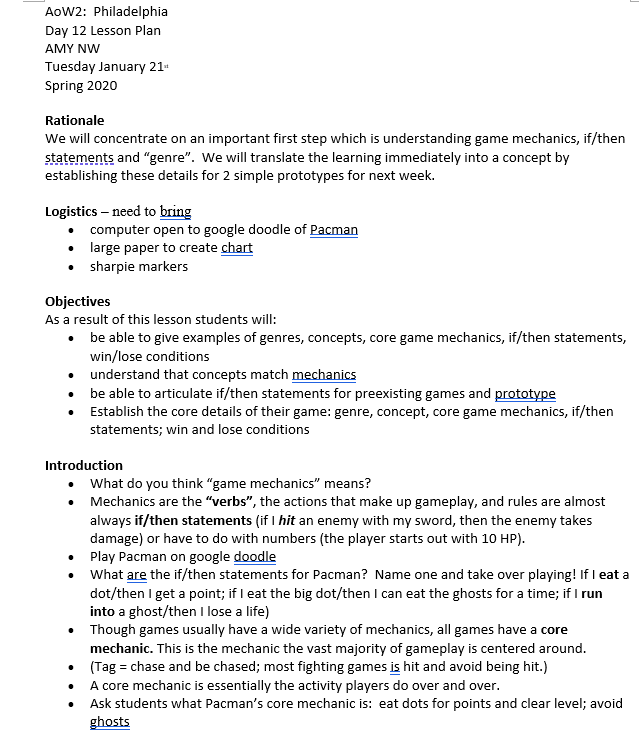
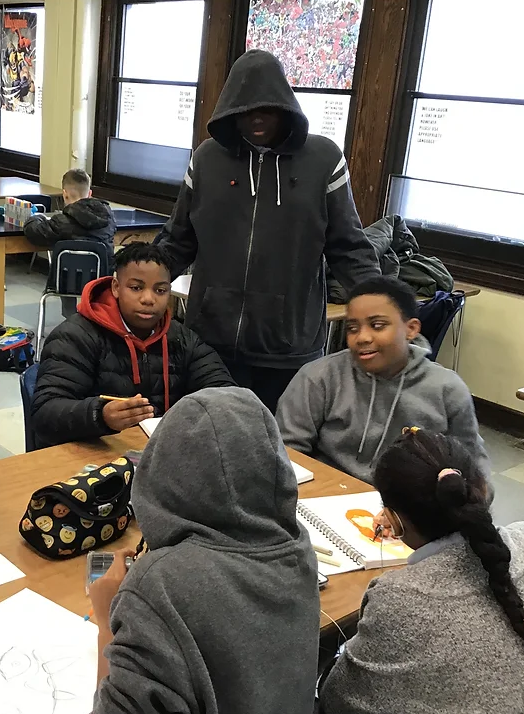
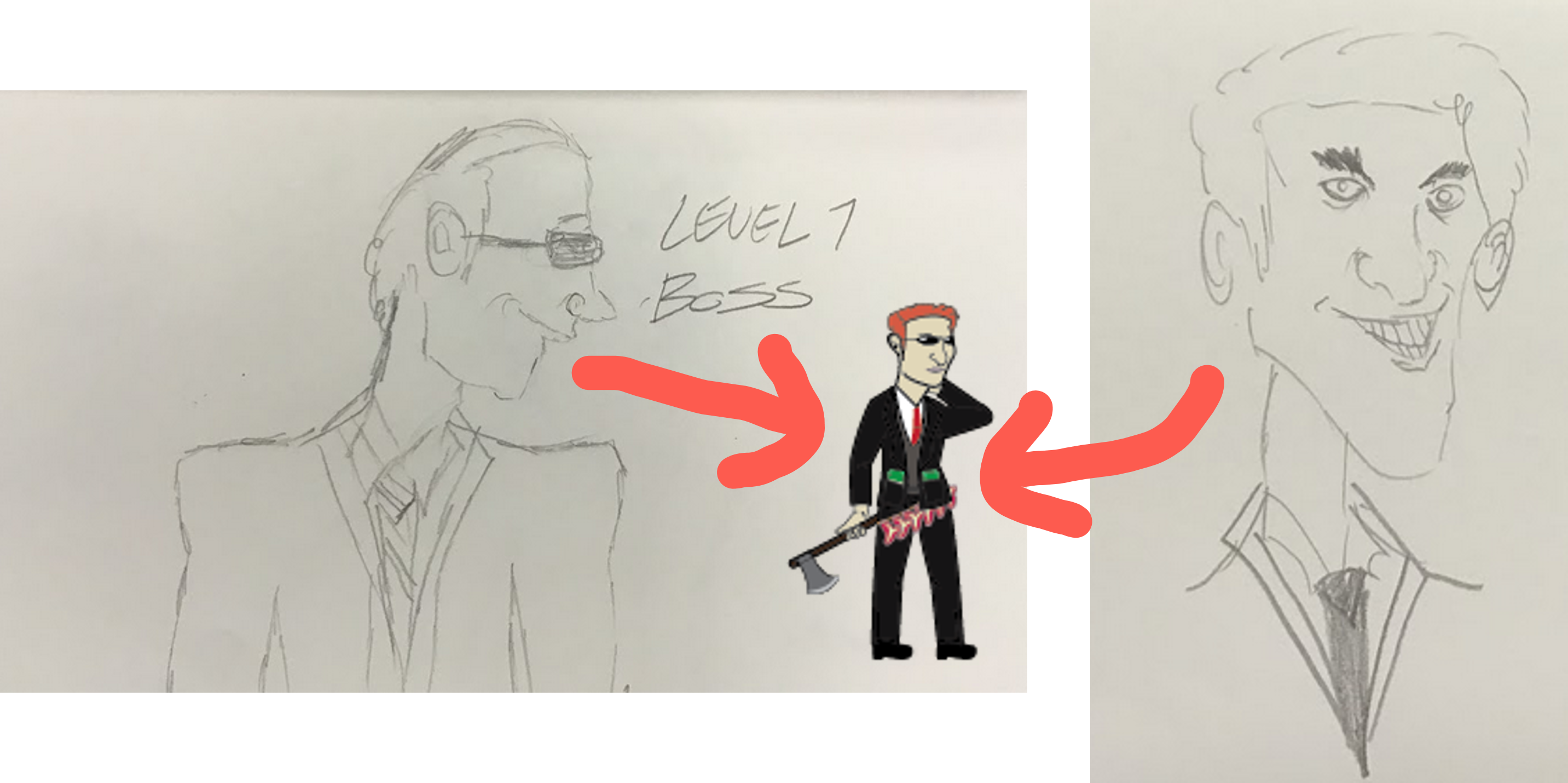
Since I was working remotely, I only participated in one of the after-school sessions but helped create the curriculum and lesson plans that were used. The goal was to provide the students with the tools and knowledge they needed to design the game themselves, communicating their vision and raising awareness about their chosen social justice topic.
Research & Exhibition
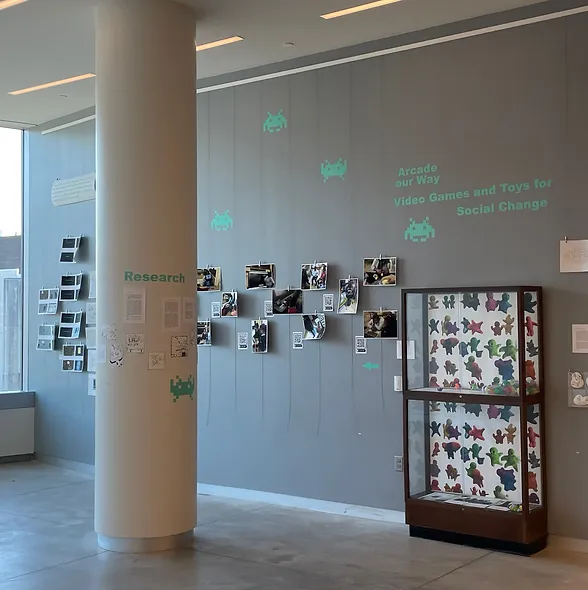
After the project concluded, my colleague wrote a paper on our project & the research we had done. We also did an exhibit of the game and the research project:
Game Design
While the broad beats of the game’s design were decided by the students, I handled the particulars and brought their vision to life. For example, they decided that rather than having a health bar, the player would have a limited supply of oxygen and must collect oxygen tanks throughout the levels to survive. If the player’s oxygen dropped to zero, then the player would die. I implemented this; but I was the one who determined how much oxygen the player had, how quickly it reduced, and how many oxygen tanks were provided in each level.
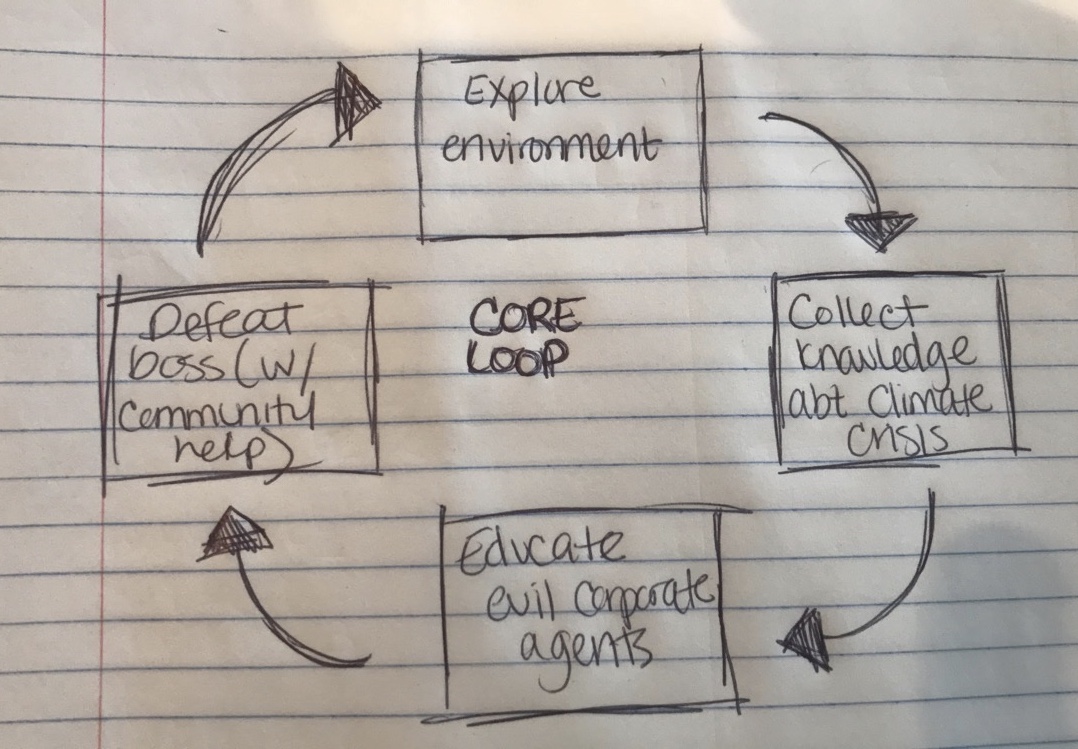
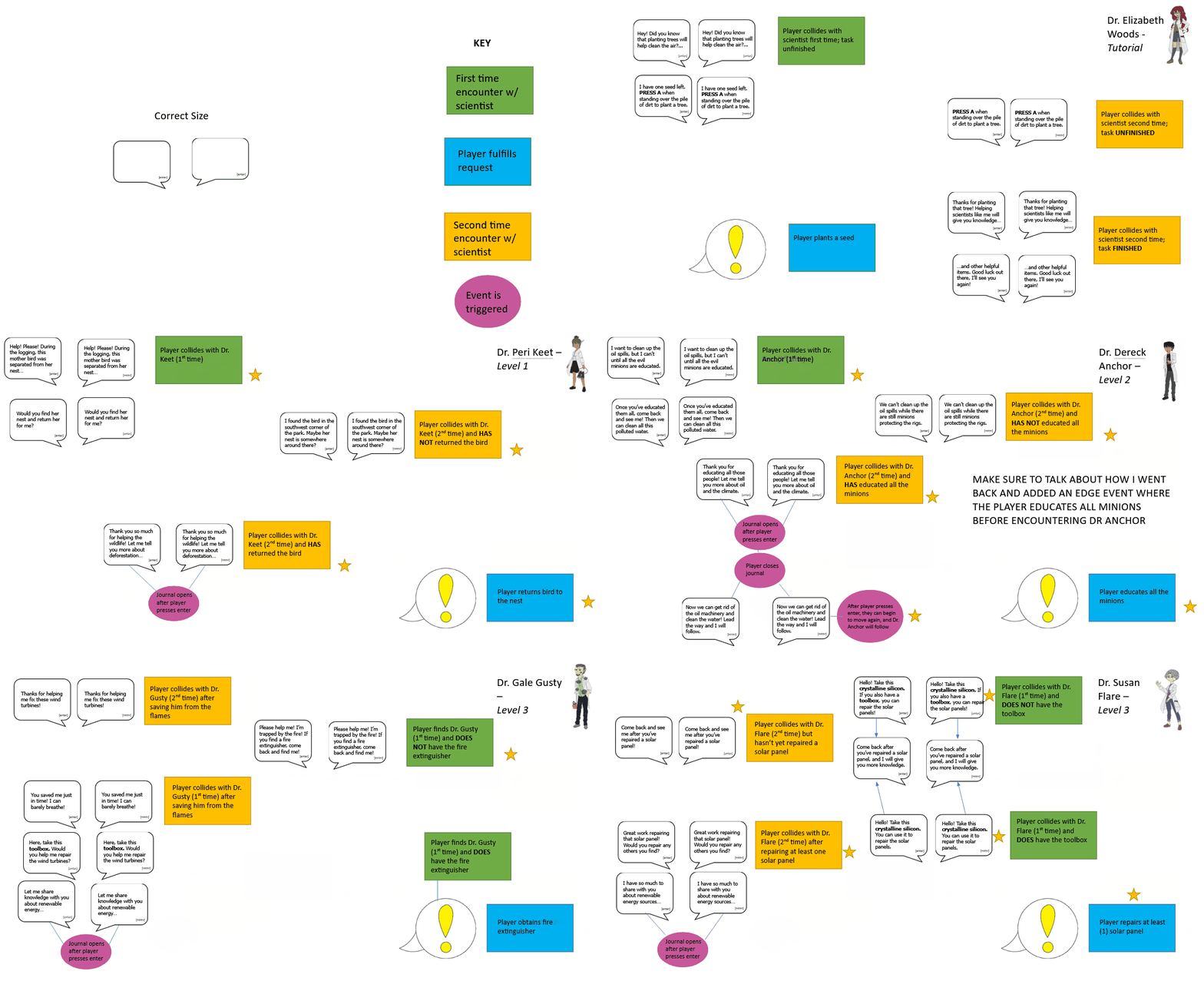
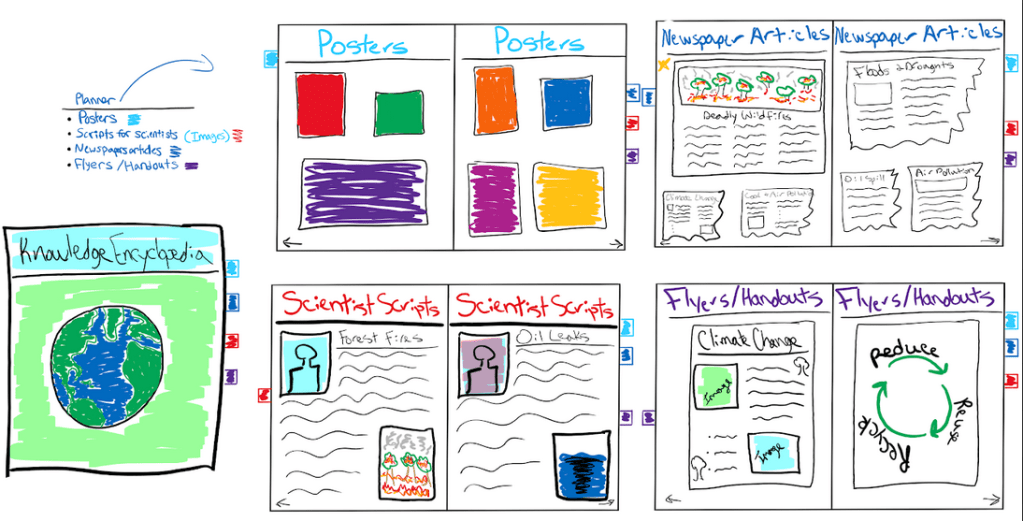
For my own organization (as I was responsible for development) I did create rough documentation for the game, both using pen & paper as well as dialogue wireframes:
I was also responsible for directing and collaborating with a team of artists (all university students) serving both as a manager and as a mentor.

 Ashley Rezvani